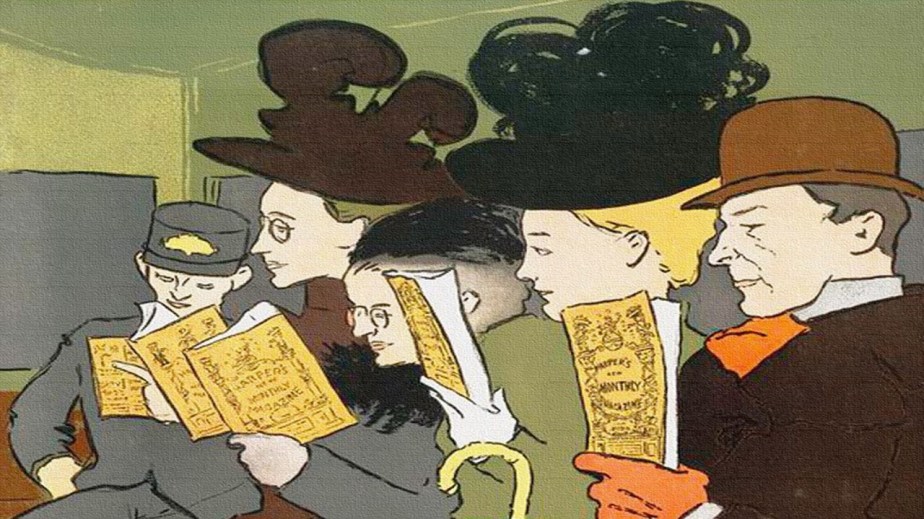
I once belonged to a reading group called The Naughty Book Club, which consisted of drinking mojitos and reading such literary classics as Goldilocks and the Three Barons. I thoroughly enjoyed the experience, so, when the opportunity to join a UAL reading group arose, I jumped at the chance.
The first instalment was last week, and despite the absence of liquor and X-rated reading material, I really enjoyed it. It was a mixed group of students and alum from the various UAL art schools, including my own, Central Saint Martins. The reading in question was a chapter from Robin Wall Kimmerer’s celebrated book Braiding Sweetgrass.
The chapter was titled Learning the Grammar of Animacy. A simple definition of animacy is the state of being alive and animate. When animacy is understood in the context of language, it gets more complicated, as Wikipedia describes:
Animacy is a grammatical and semantic feature, existing in some languages, expressing how sentient or alive the referent of a noun is.
It was this latter definition of animacy that the reading in question was concerned with. The main thrust of the chapter concerned what the author saw as the arrogance and failure of English to describe nature as sentient, and the consequent disconnection from animals/nature. Rather, English differentiates between humans (sentient) and animals and nature (non-sentient) primarily through the use of pronouns – such as she/he and it respectively. Not all languages do this, including the Anishinaabe language she has ancestral connections to, and which she talks about learning in the chapter.
I liked the author’s lyrical way of writing and found the points she made very thought provoking. Although I don’t share her antagonism towards English, I can relate to her struggle with learning her ancestral language. I am currently learning one of mine, Manx, which is part of the Gaelic language family. As anyone who has tried to learn Irish or Scottish can attest, Gaelic languages are not for the faint hearted! I could also relate to the sadness she expressed regarding the deliberate measures taken to destroy her cherished language and its assured death if future generations do not take up the mantel and learn it.
Header Image: People reading books (1895) by Edward Penfield.
 bexODESSA