Falling into green

Picasso was a horror when it came to women, but his insights into painting were spot on – like this:

Painting isn’t an aesthetic operation; it’s a form of magic designed as a mediator between this strange hostile world and us, a way of seizing the power by giving form to our terrors as well as our desires.

or this:

Colors, like features, follow the changes of the emotions.

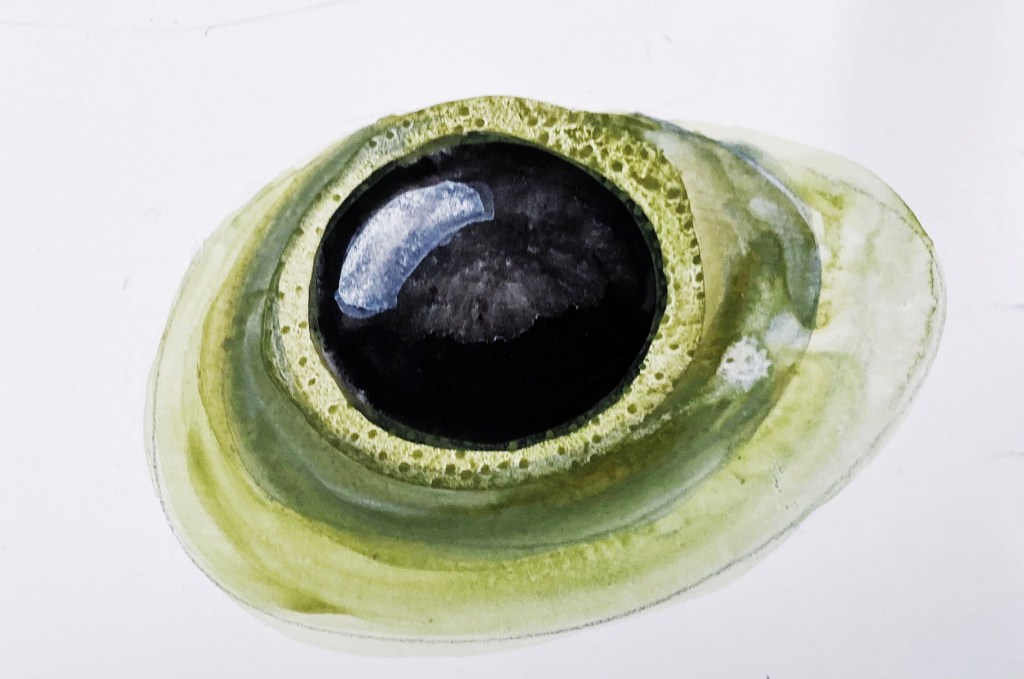
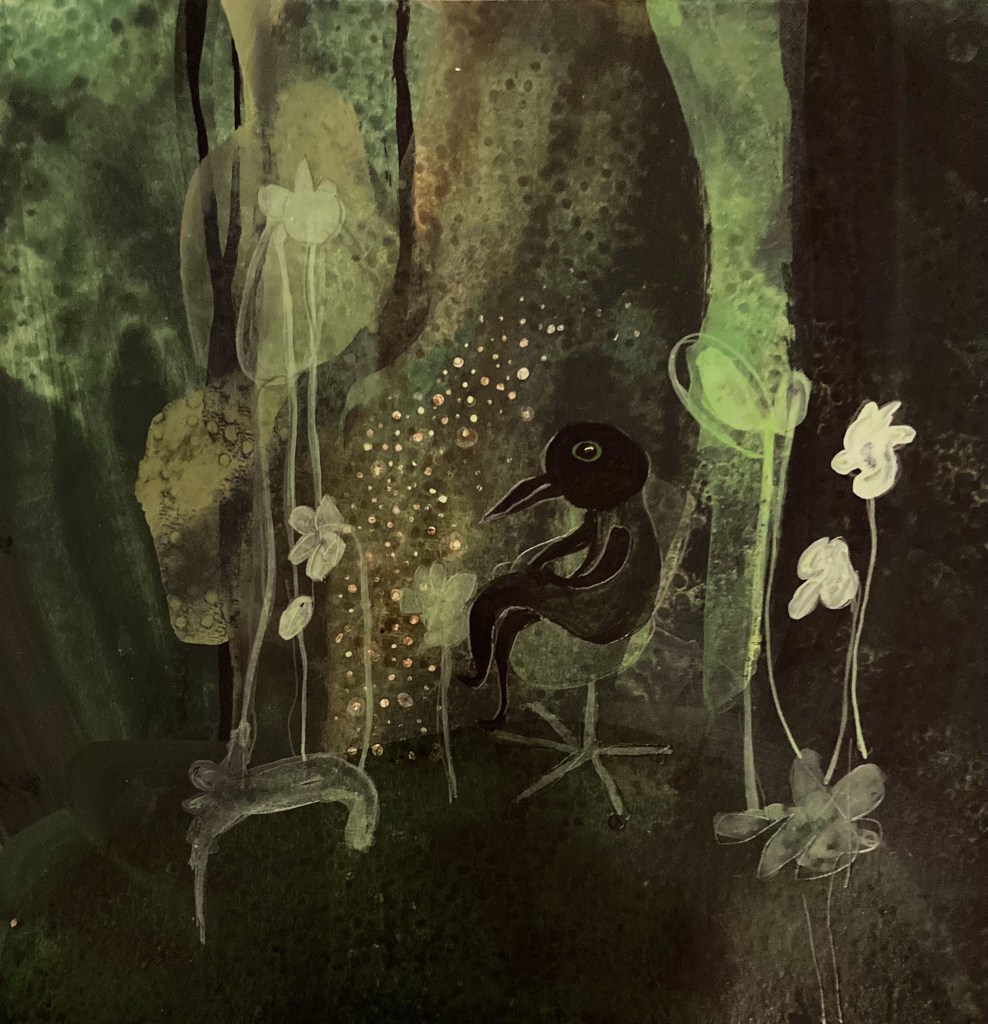
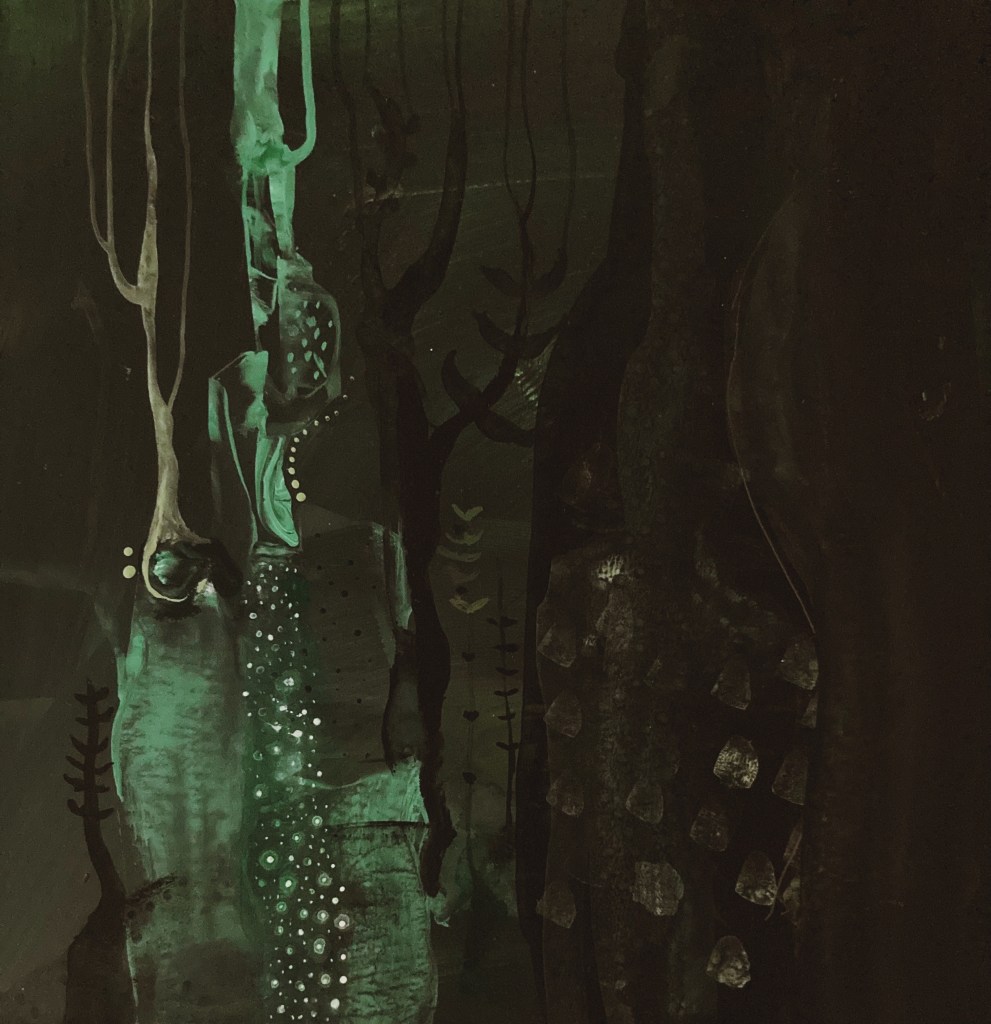
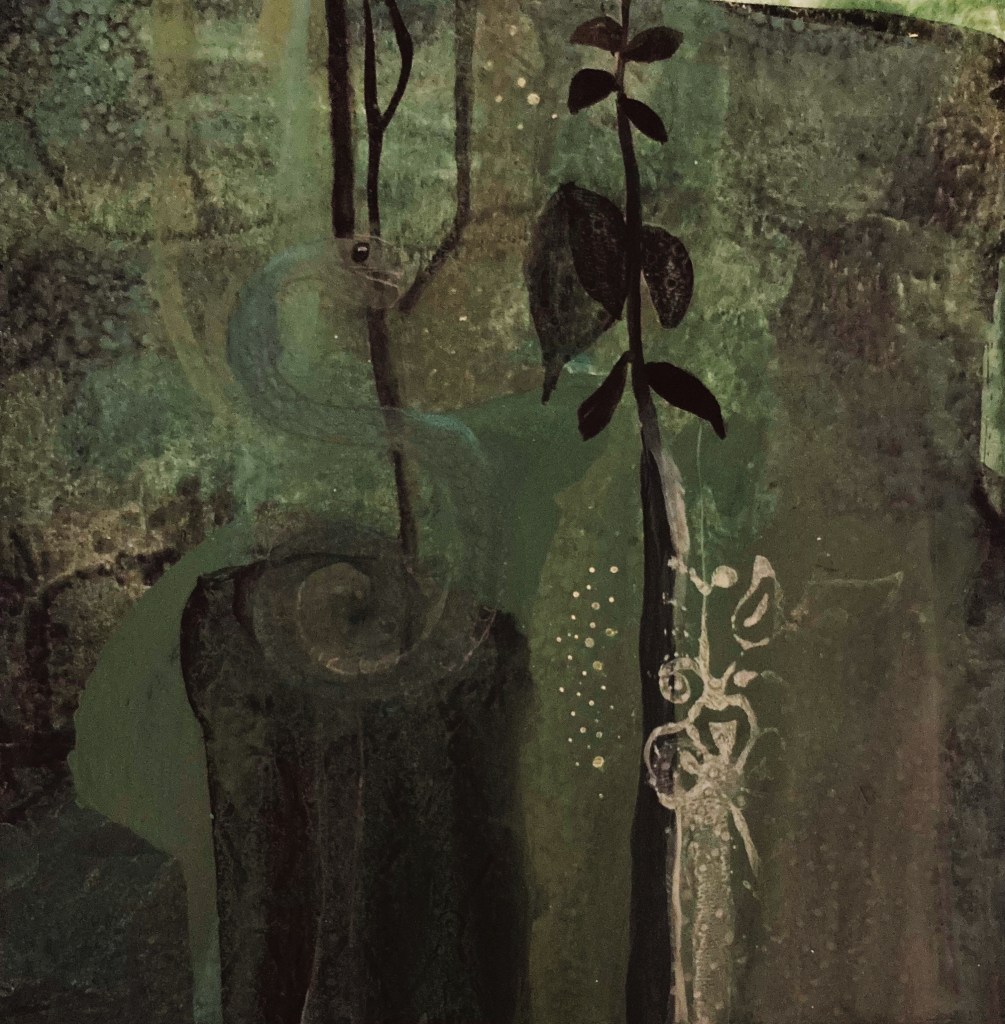
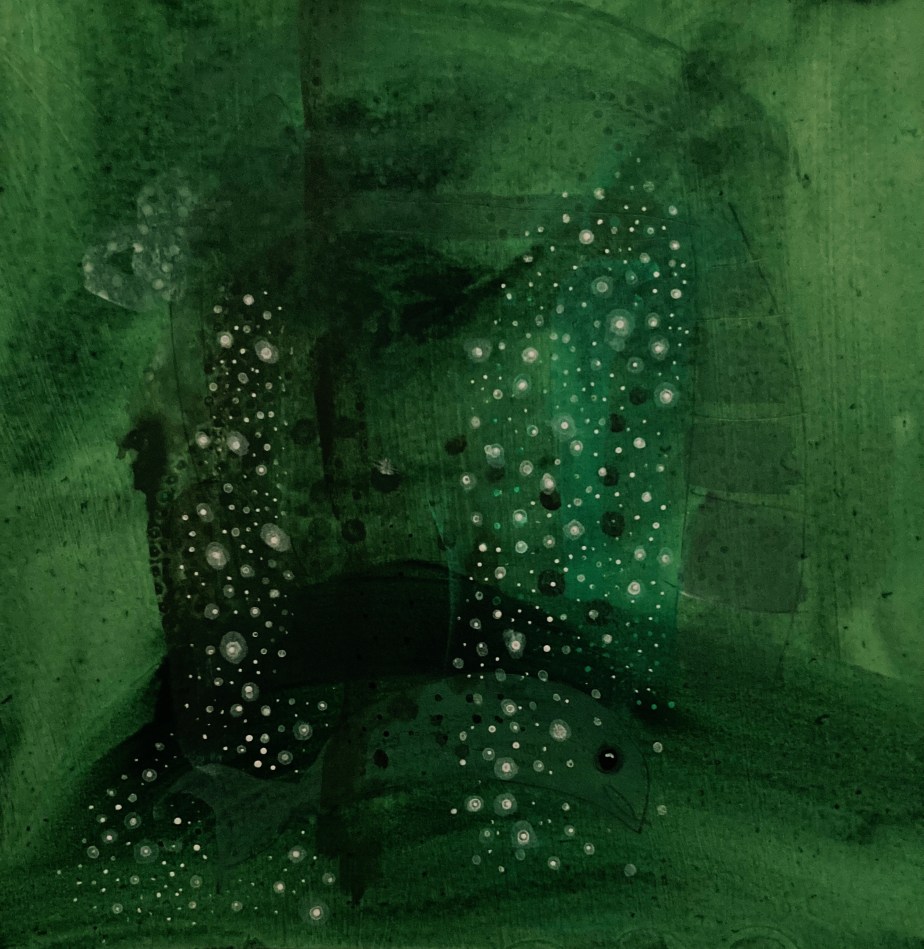
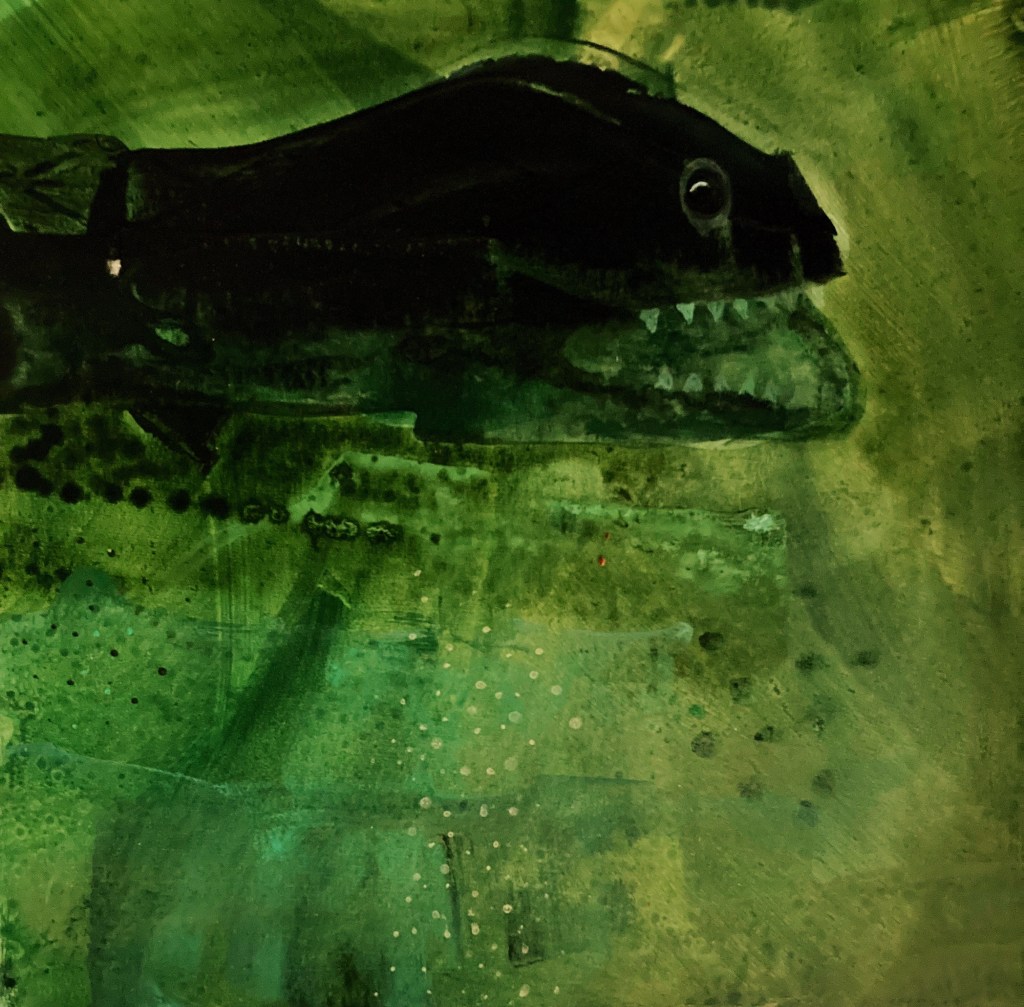
I am particularly interested in this second insight at the moment, due to my recent colour change from blue to green. Blue has always felt like a safe, knowable colour to me, which is why I typically used it when experimenting. But green – it is completely different. I don’t yet know its boundaries, or what its emotional resonance will be on a large scale. On a small scale, it feels mysterious and other-worldly, if not a little bit spooky. When I paint with its darker tones (as above), I am reminded of a time when I was a child, in a boat on the edge of a lake. I remember looking deeply into the water which rippled and swirled with tones of impossibly dark green that merged into unknowable inky darkness. I was completely captivated. Even though I was only a small child, probably no more than 5 or 6, I knew I would never forget what I was seeing, and so I never have.
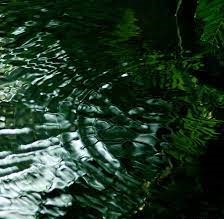
The above picture, which I found on the internet, is the exact colour/visual I remember. Looking at it, even with its poor resolution, I have the same sensation of wanting to fall into its depths. What a truly mysterious colour. However, the trouble with this shade of green is, it doesn’t really go with anything else (perhaps because it is perfection in and of itself), so it would not really be suitable for the figurative painting/s I have in mind for the Interim Show (although, never say never).

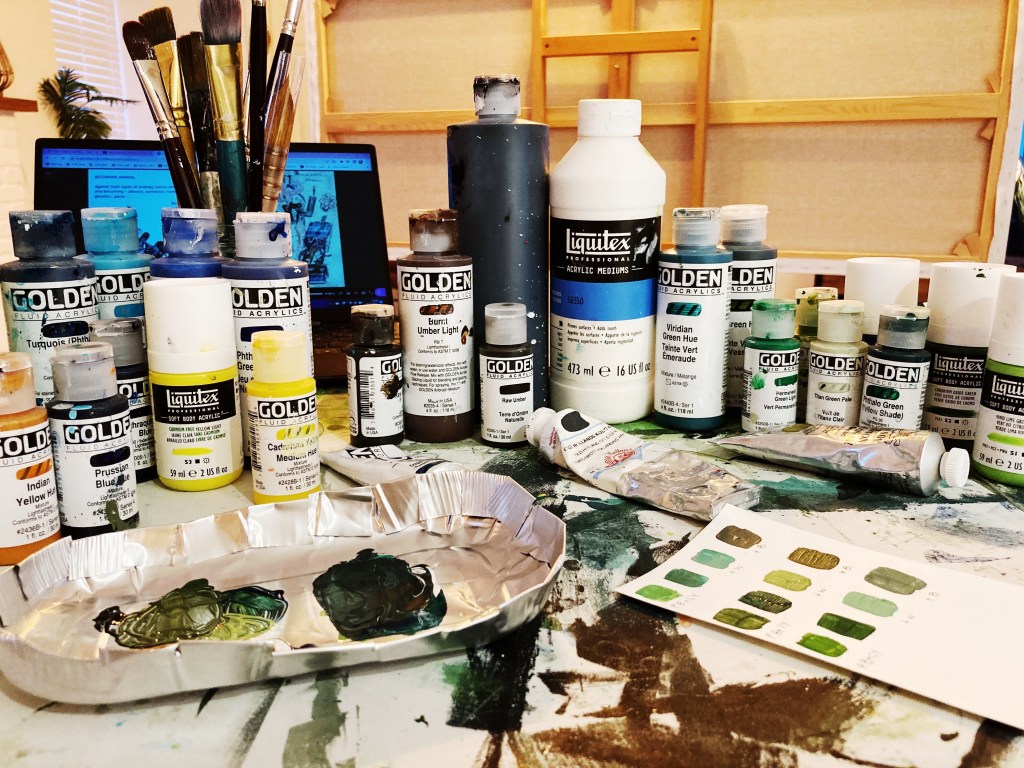
One thing is certain, if I am going to paint with green, I have to get it right, or I will end up with a garish mess that no one will want to look at. To avoid this pitfall, I have set myself the task of creating a suitable palette, so I’ll have a better chance of getting it right when it comes to the final work/s.
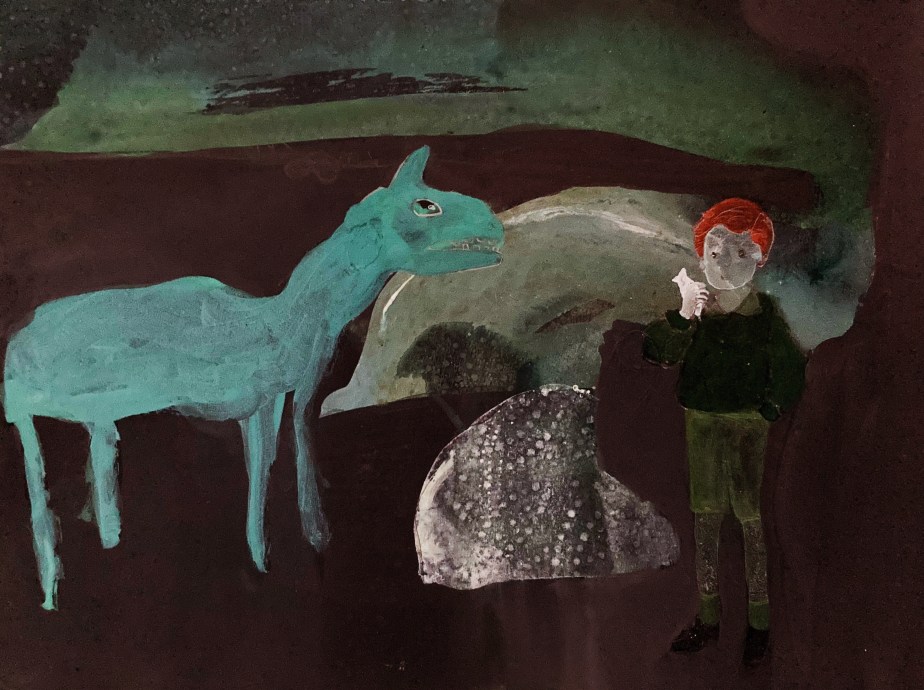
Down by the river-cide

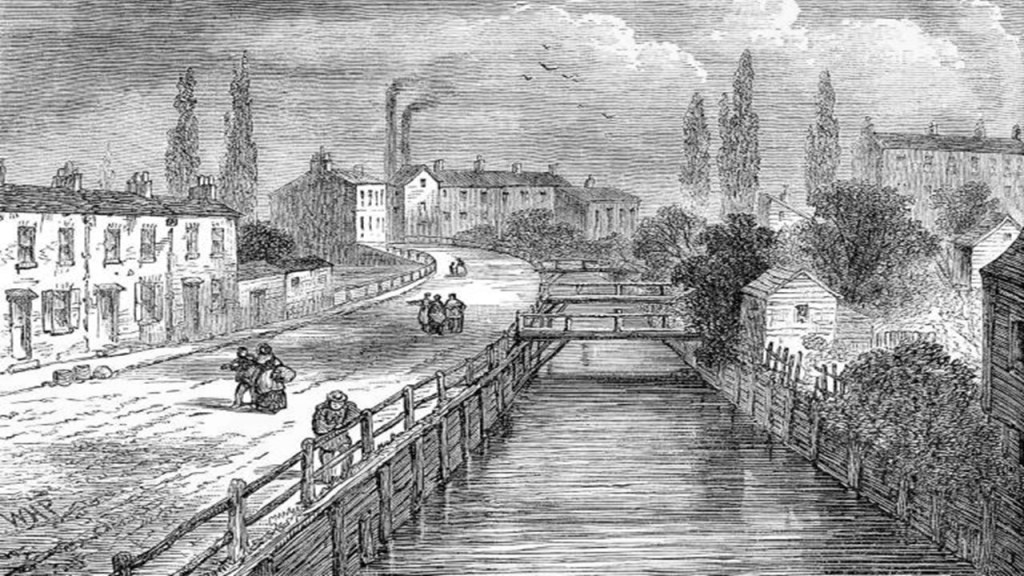
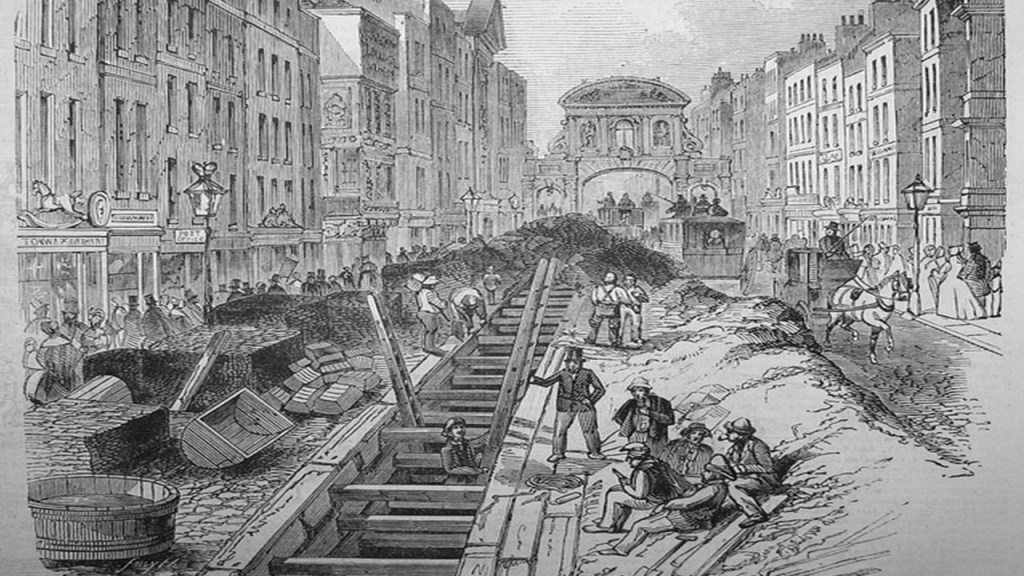
While researching the history of the Thames river for my Interim Show work, I came across information about London’s lost rivers, one of which is the Fleet. Technically, the Fleet is not lost, rather it is covered over and now functions as a sewer that spews its effluent-rich waters into the Thames under Black Friars bridge. Fleet Street takes its name from the river (ironic that a conduit of muck should lend its name to a thoroughfare synonymous with the British Press), which was alternatively called the Holborn – derived from the word ‘burn’ meaning ‘river’ or ‘stream’, after which the area of Holborn is named. Once a vibrant London river, with its headwaters in Hampstead Heath, the Fleet is now a subterranean Acheron that London has choked with its waste. It can’t be a good thing to kill a river. I wonder if the Fleet will have its revenge?

The Fleet river 1810
Covering the Fleet
The Fleet as a sewer

Along with the Fleet, I have been learning a lot about the Thames. The best source of information so far is a book by Peter Ackroyd, called “Thames – Sacred River”. It is beautifully written and utterly riveting 😉 .
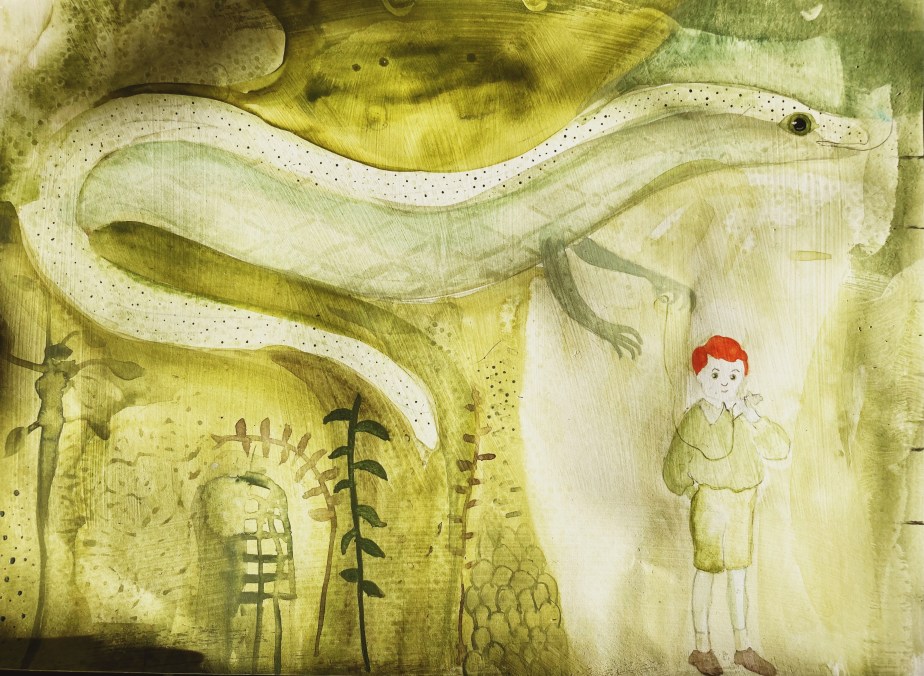
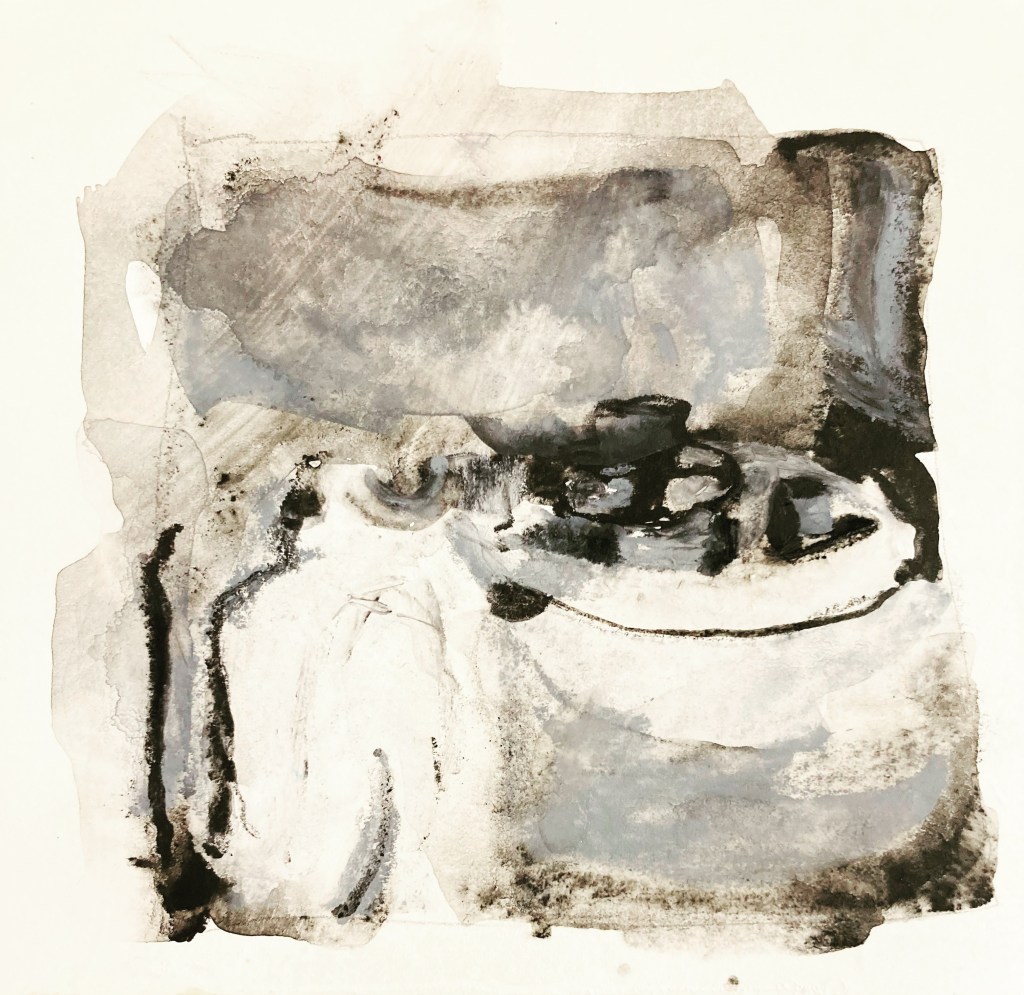
Never mind a single painting for the show, I think I could get a whole body of work out the subject, I am completely captivated. For now though, I will stick with the painting I have in mind. It is somewhat of a departure from the work I normally do, but it is a direction I have been wanting to go in for a while now (namely figurative). As such, it’s all a bit new and scary, but I guess that is why I chose to do an MFA, to be challenged and to develop my work. I am still not sure what style I would like to use for the figures in the painting, so I have just been experimenting this week. The header image is one such experiment.

When I go to London in March, I’d love to spend some time with the Thames, walking on its banks, crossing its bridges, perhaps even taking a boat ride on it. I also wouldn’t mind doing a spot of mudlarking – it would be great to find a little treasure lurking in its mud – though that might take some forethought, as a I believe you need a permit to do it.

Speaking of mudlarking, here is a video I made for The Wisdom Daily a while back, about London’s most famous mudlark.

The Dark One

Some artists like silence when they paint, others like music. Personally, I like watching documentaries (technically I like listening to them, though I do pop my head up now and then to see what’s going on). My absolute favourite are pre-history ones, especially if they deal with religious practices and/or death-related rituals. I also like documentaries about water, hence why I chose water as the subject for my overall MFA project. As with pre-history, I especially like the religious aspect of water, such as its role in creation stories and its use as a conduit of transformation and spiritual cleansing. These two roles of water are almost universal, which is something I find fascinating. I especially love Celtic beliefs surrounding sacred bodies of water – that they are portals to the underworld, repositories for sacred objects, sources of healing, and, as with rivers, the embodiment of deities.

My idea for the Interim Show is to do a painting about the river Thames (from Celtic “Tamesas” – “the dark one“). Not only is the exhibition space on the bank of the Thames, but it is also an incredible waterway, with a long and fascinating history. I have chosen a small aspect of its history to focus on, and am happy to say that I now have an overall concept for the painting. The above image is a little sketch of one element of the idea. I don’t normally show/explain my workings/preparations for a painting, but we are encouraged to do so on the course, so I thought I’d give it a go. Once I have the concept rendered in a series of small preparatory paintings, it is my intention to produce one big painting for the show. I am not sure if I will have enough time to produce the big painting, in which case, I will submit the small ones.

As well as developing the concept of the painting, I spent the weekend painting more eyes. I think I have done enough for now, so will move on to some of the other elements I want in the painting.

The eyes have it!

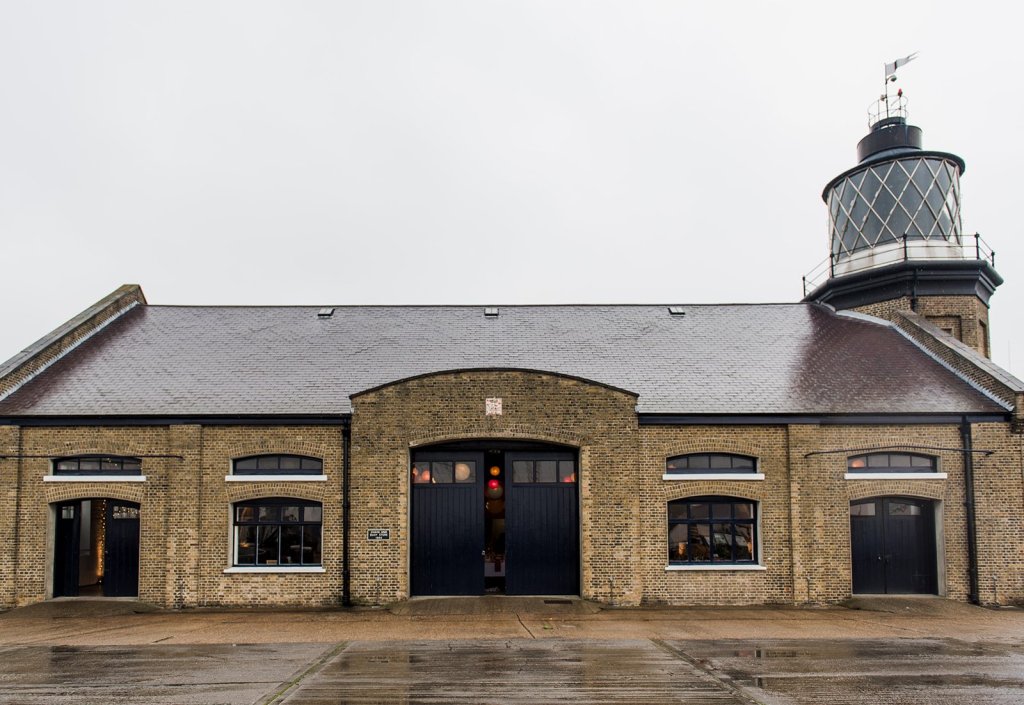
It’s been great to be back at school this week, though its made me acutely aware how quickly time is passing, and how hard I will have to work if I want to make the most of the course and the opportunities before me. Looming large is the Interim Show, which is a college-wide exhibition for first year students, due to take place in the second week of March at the Bouy/Chain Store, Trinity Warf in London. It is a wonderful space/location, and it will be a privilege to show some work there.

I’ve decided I shall align my submission for the show with my aims and objectives for my overall project about water, chief of which is to include figuration (people/creatures) in my work, and also to size-up (i.e. make bigger paintings). Whether I am able to achieve both or either in time for the show, remains to be seen. However, I intend to give it my best shot. To which end, this week I have been working on eyes.

Although I want my peopley-creatures to be quite loose and melt into their surroundings, I would like their eyes to be expressive and convey the emotion of a given painting. Again, it remains to be seen whether this is achievable.

It’s been a wrench to come off the Ann painting in order to focus on the Interim Show (IS) work. I only managed a couple of sessions of the latter this week. However, I’ve now put the Ann painting away for the weekend and intend to only bring it out for my early morning painting session from next week, leaving my other two sessions each day for the IS work.

My daily wanders down to the sea now include a little paddle. Inspired by a massage client who is an ardent Northern Dipper (i.e. a member a wild-swimming group here in the north of the Island), who claimed her daily dips in the sea have changed her life, I decided to get in on the action. However, the stretch of sea I live on is not safe to go swimming in, due to the fierce tidal currents in the vicinity, so I have to content myself with paddling my feet. Holy smokes it’s cold!

To be honest, my first attempt wasn’t very successful. I had left my shoes half-way up the beach, so that when I stopped paddling in the frigid waters, my feet were very tender, and it was too painful to walk across the pebbles to get to them. Never fear, with a bit of Kiwi-ingenuity I managed it.

I thought my first paddling attempt might be my last, until a little while later my feet began to tingle and I had an overall sensation that was quite delightful (my feet are tingling just thinking about it). Needless to say, I have been paddling everyday since. I can now understand why the Northern Dippers are committed to there daily dips, though how they are able to get themselves all the way under is a mystery to me – though I bet they feel amazing afterwards!

Speaking of the Norther Dippers, here is a Pathé inspired video I made about them for a film course I did last year with Berlin Art Institute (note my fella’s amazing narration).

I got chubby again

For Winterval (our so named Hanukkah/Christmas/Solstice holiday mishmash) this year, I asked my fella for a 3 months subscription to Weight Watchers, which he kindly offered to extend to 6 months after witnessing (wide-eyed) my solo “box of chocolates, several magnums, entire Baileys Yule Log weekend extravaganza”.

To be honest, I don’t really mind being chubby. I spend most of my time alone in the studio, seeing no one but Fonzi and my fella (neither of whom are in a position to throw stones), and I don’t own a full-length mirror. What I do mind is not being able to do up my coat and being a sugar-fiend – of which I am of the highest order.

I am currently reading James Walvin’s excellent book “Sugar”, about the history of sugar and it’s cultural, economic, and physical impact on humanity. It’s a cracking read (or listen, if like me you’re an Audible user), and is one of a collection of books I gathered a while ago that will form the research component of a painting I’ve had milling around in the back of my mind for some time now, and for which I recently had a bit of a creative breakthrough with regards to its conceptualisation. It will be a few years before the painting is realised, but I couldn’t resist, while on holiday, exploring the subject further to see if I am on the right track (which I am pleased to say, I think I am), and to keep the milling juices flowing around the idea.

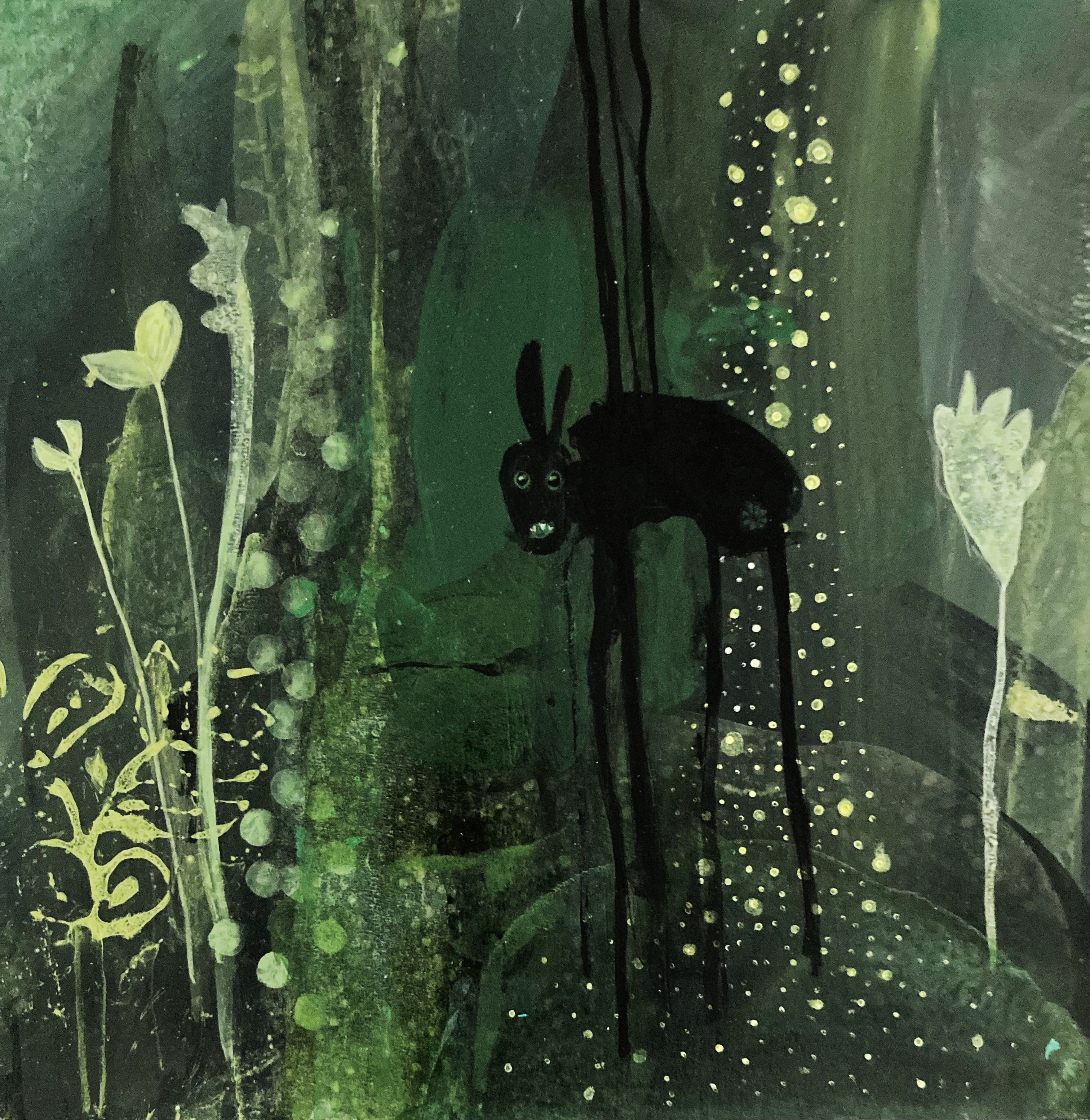
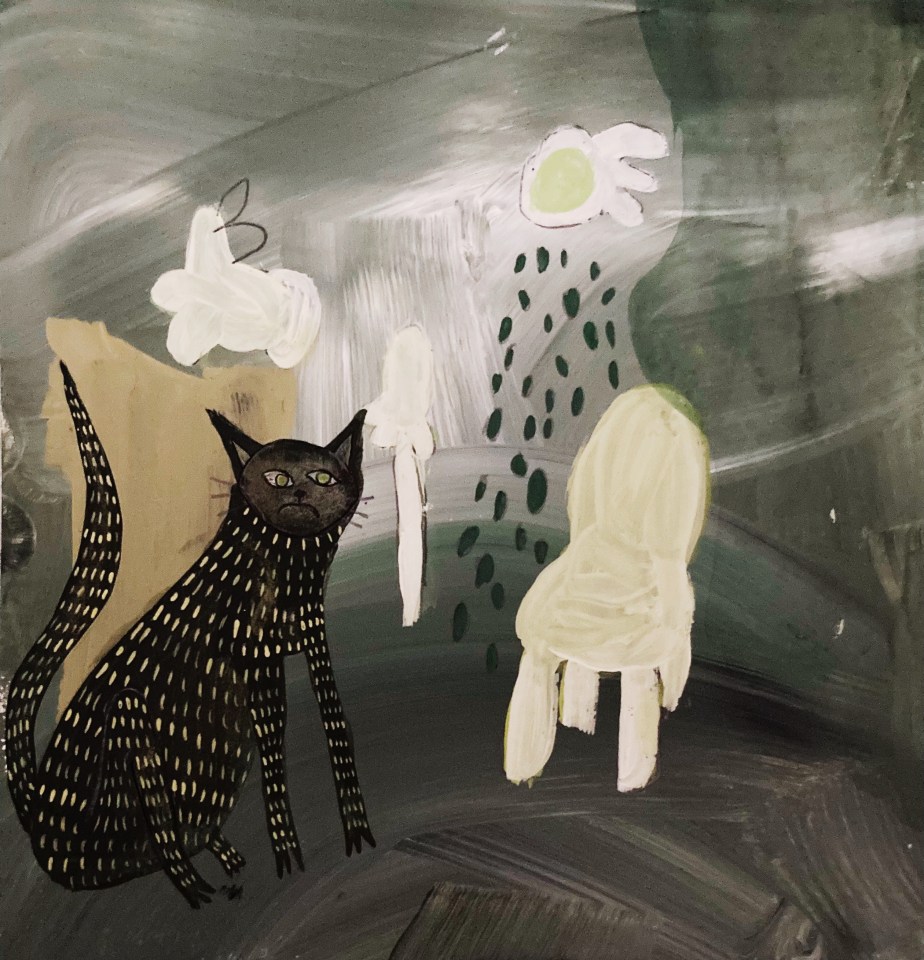
Term two starts tomorrow, so the above idea will have to mill on its own, as I have to refocus my creative energy on my research project about water. I did a few more of the green paintings during the holidays, but, I kind-a lost the thread (god knows why I started putting cats in them, let alone donkeys) and felt like abandoning the idea altogether. However, thanks to a recent meeting with a creative-strategist (aka a pub visit with my fella), I have gained clarity as to how I will proceed. Basically, instead of trying to knock-out completed paintings (a strategy that typically results in a repetitive creative loop in which the paintings tend to get worse not better), I am going to break the paintings down into their constituent parts, and work on developing those parts separately. Beginning with figuration, which will be my primary focus in term two (as well as finishing the Ann painting).

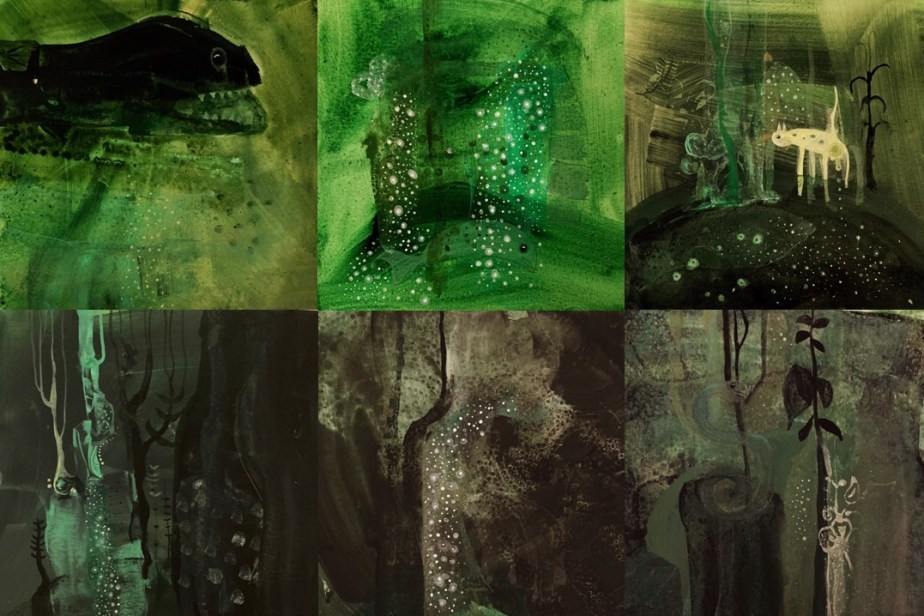
In the meantime, here are a few of the green paintings I did during the holidays.

Dem dry bones

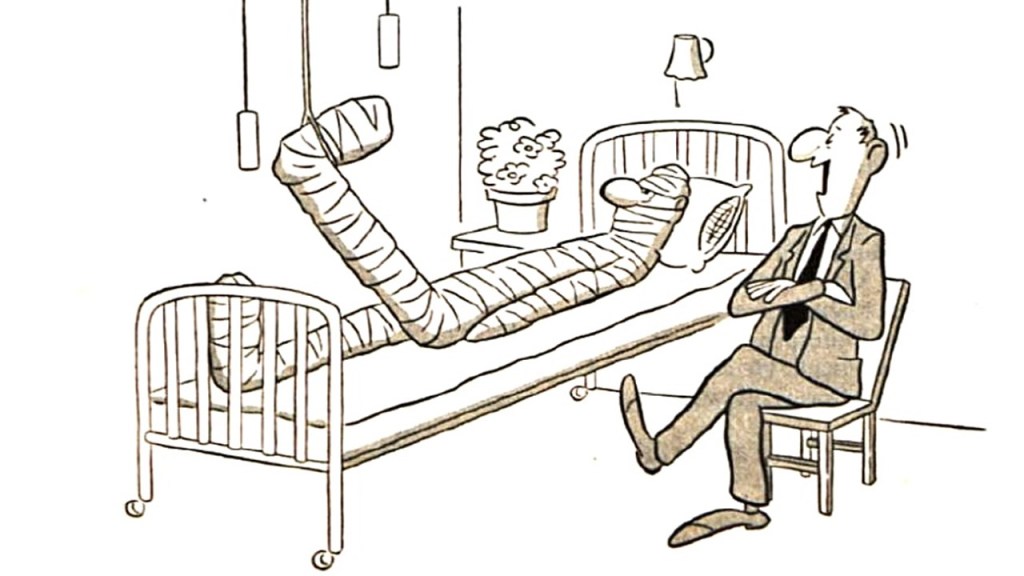
My dad broke his leg last week, his femur to be precise. The femur is not an easy bone to break, and is typically the result of a serious traffic accident or a fall from a great height. Dad broke his setting the table. Quite how he did it, we’re not sure, though it’s possible a sudden drop in blood-pressure and subsequent blackout-fall did the trick, as evidenced by the fact he was found on his back with cutlery lodged in the bookcase behind him. It’s not the first time Dad has broken a bone. Indeed, it is no exaggeration to say that if he had a bandage on for every bone he’s broken over the years, he’d look something like this:

Dad’s a trooper though, and always gets back up on his feet. It’s a laborious, painful process, but he will doubtless meet it with the good grace he always does, and will be back, pottering around his allotment come Spring. Dad loves his allotment, and it’s no wonder, it’s a little slice of Manx paradise, that he tends and coaxes with his magic touch, producing an abundance of leeks, giant cucumbers, towering rhubarb, delicate flowers, and lots and lots of potatoes.

With the fall-out from dad’s fall, I’ve been a bit distracted this week, and haven’t made much progress with the green paintings. Instead, I have taken refuge in painting Ann (Ann being the large oil painting I mentioned in my last post). I call it Ann (its working title) because it is about a Manx woman called Ann Thompson, who was transported to Australia, on a ship called the Amphitrite, in 1833, for stealing 37 yards of lace. Tragically, she died in a shipwreck on the way, as did all the other female prisoners transported with her. It is a compelling, convoluted story which I have been researching for the past 2 years, with the help of my Mum (whom, coincidently, has the same middle and maiden name – Anne Thompson), and ever supportive fella. Ann now feels like a dear companion, and it envokes a deep sense of pathos to paint something beautiful and delicate in her memory, in the hope that in some cosmic realm it offsets the terrifying misery that was the last few months of her short life.

Ann’s Transportation Order – Book of Pleas, Manx Museum
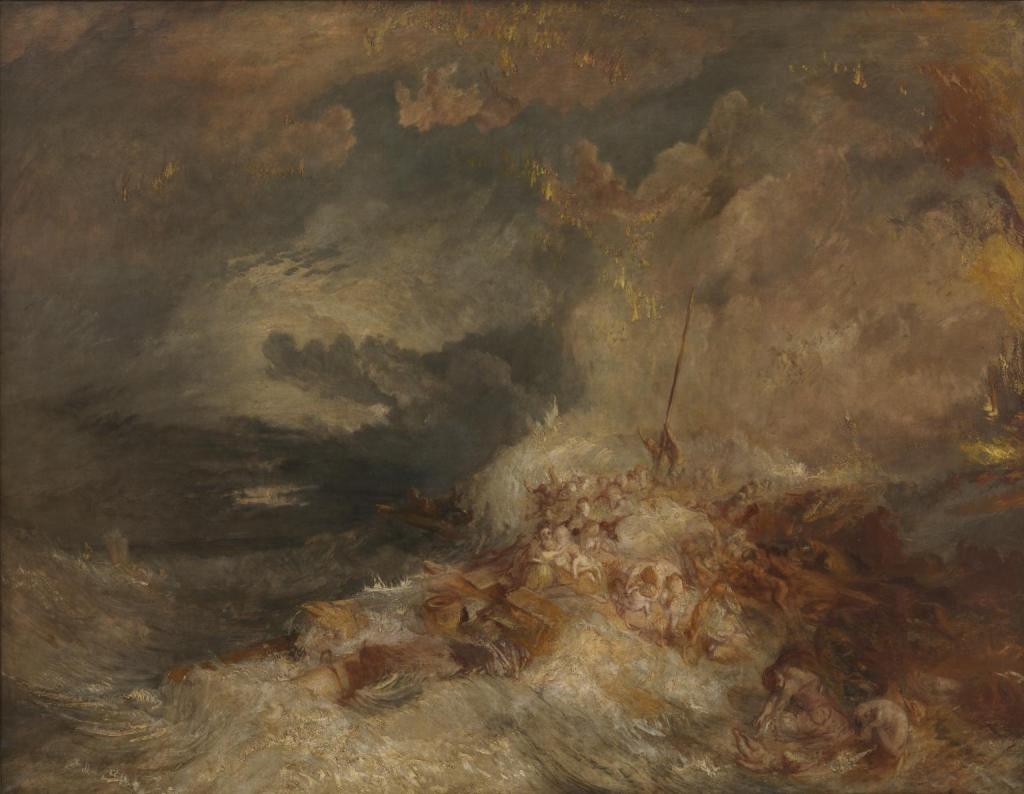
A Disaster at Sea c.1835 Joseph Mallord William Turner – based on the loss of the Amphitrite 1833

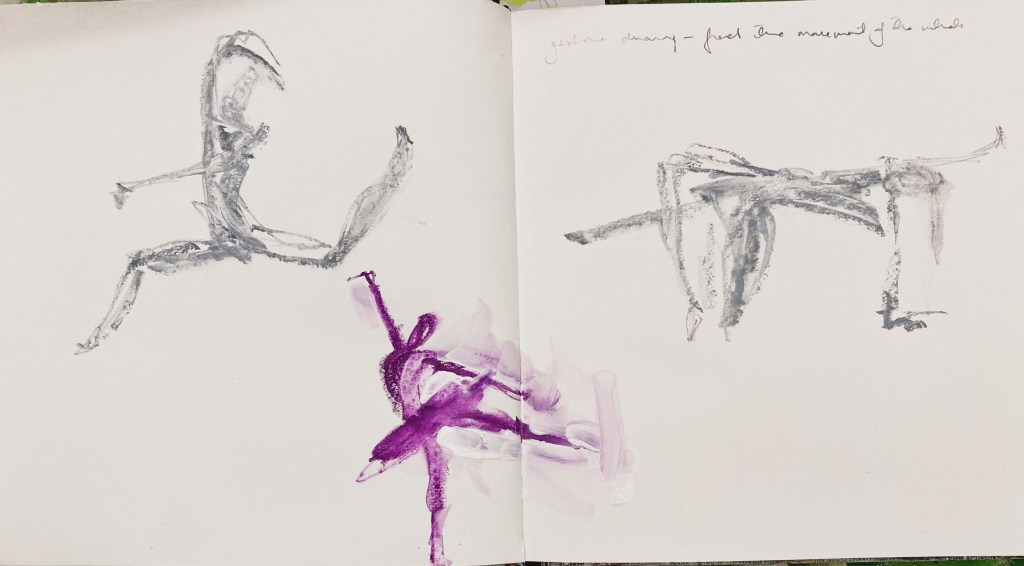
This week, I also attended the last instalment of our drawing workshop, which was all about gestural drawing. As the name suggests, gestural drawing focuses on capturing the gesture or action of a figure, rather than the details (Turner’s painting above could be described as gestural). This kind of drawing, which is typically quick and expressive and, I think, very beautiful, is definitely something I would like to practice more. In the meantime, here are my initial attempts from the workshop:

To end, I thought I’d share the song I have been humming to myself since dad broke his leg…the harmonies are exquisite.

“In the midst of chaos, there is also opportunity”

A family crisis descended this week, yet, despite the chaos, I managed to keep up with my coursework and painting practice, and even made some progress. Here is a rundown of what I have been up to this week:

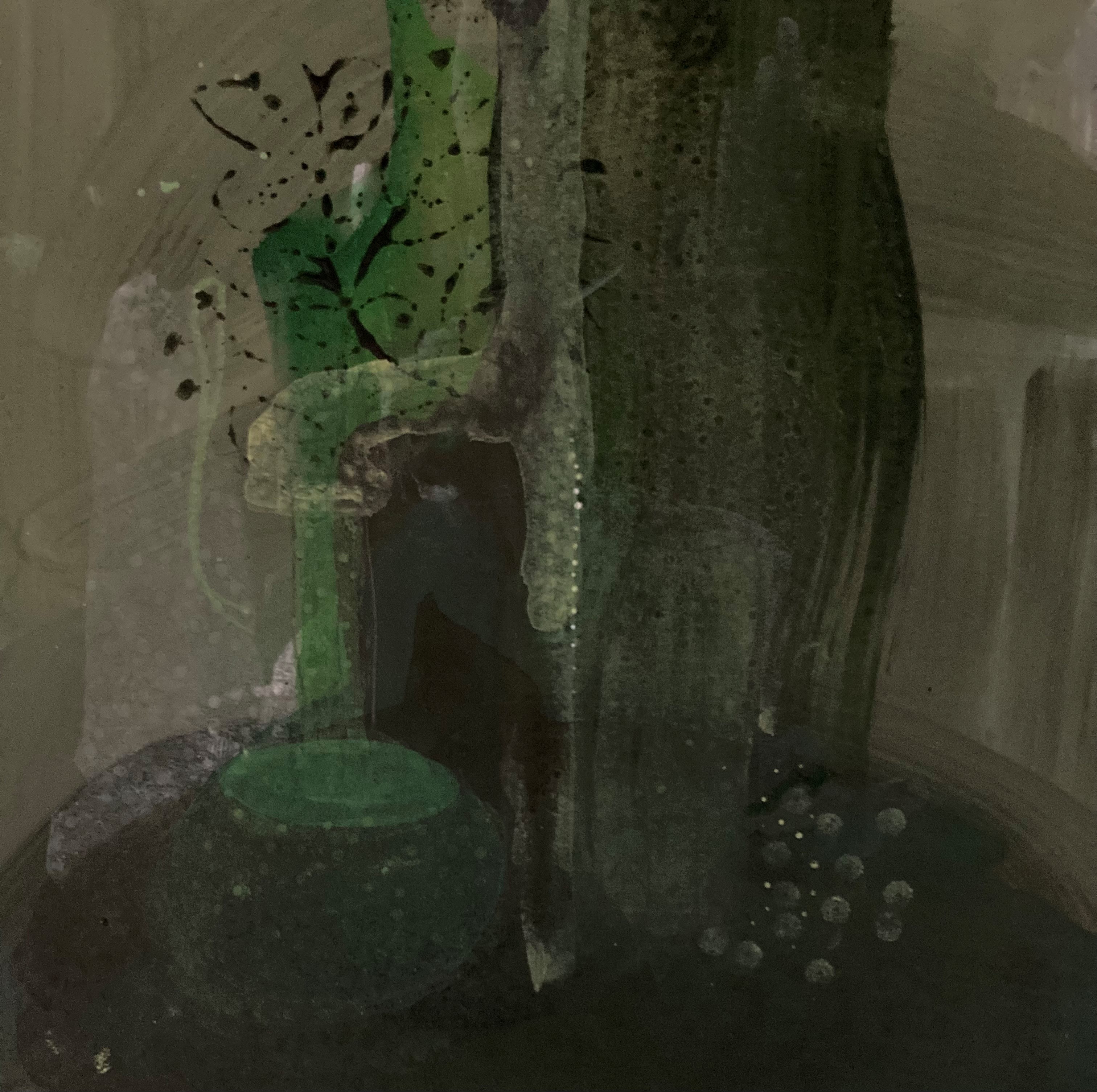
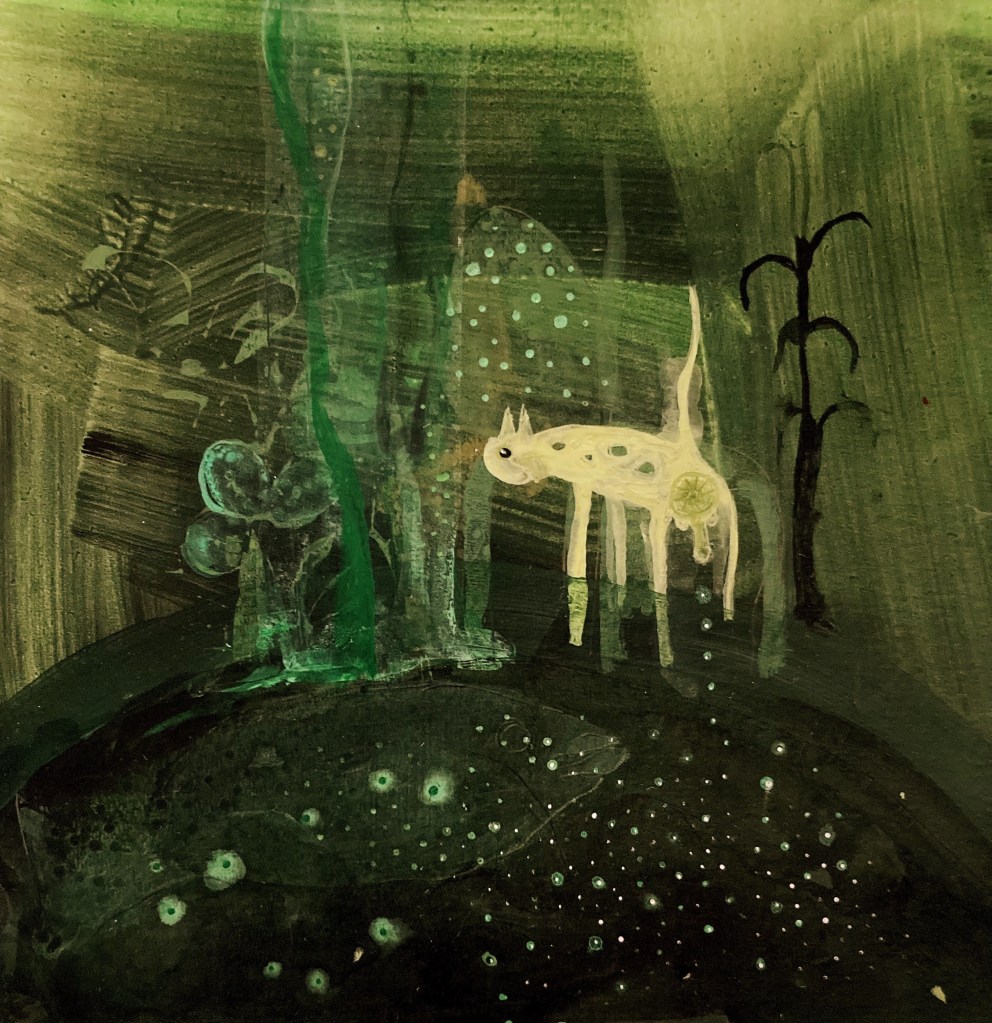
I have been loving the switch to a green pallet. It’s a very satisfying colour to paint with, and has plenty of scope for exploration. I am just painting small ‘acrylic on paper’ works, but hope to scale-up to large canvases once I have a handle on the pallet, and a better idea of the direction I want to go in. So far, I have found green to be a much better representative of “underwater/underground” than blue, and I like that it has a darker, more mysterious vibe. Here are a couple of successful paintings from this week:

As well as painting with green, I have been reading all about it in two wonderful colour books my sister bought me. I highly recommend both books; they really get the juices flowing regarding colour.

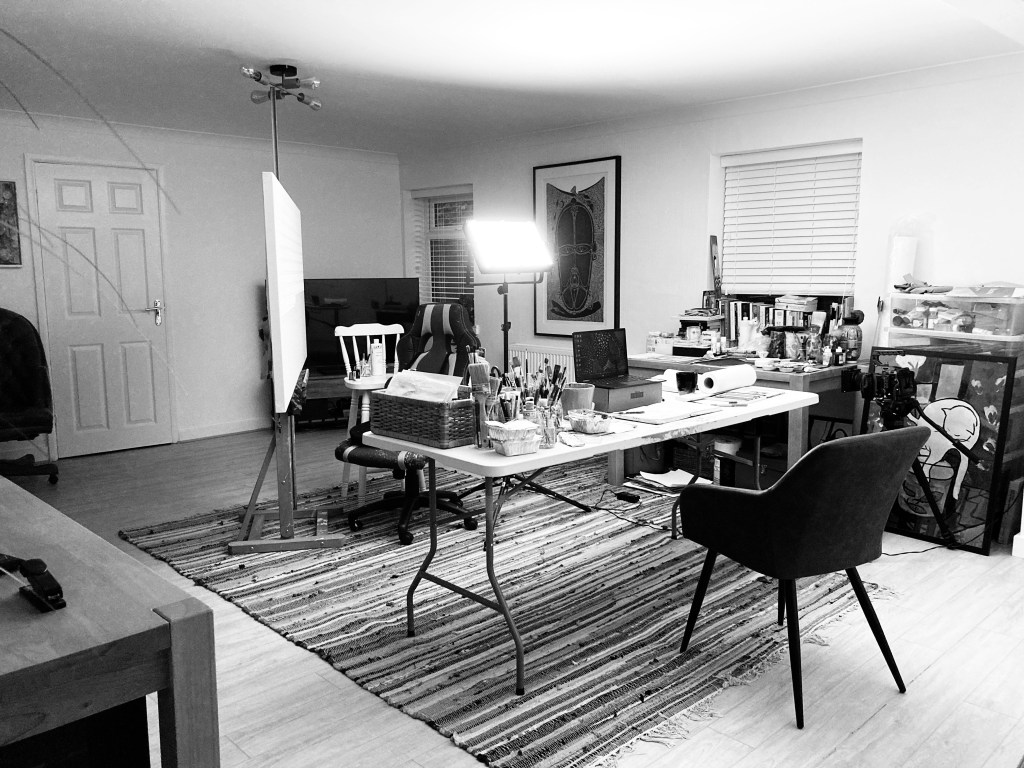
I have been settling into my new studio, and it now feels like home. It functions well for both of the painting projects I have on-the-go at the moment. One being the experimental underground/water paintings, as mentioned above, and the other, one of my big oil paintings (working title “Ann”) that I will go into more detail about at a later stage. Both require different things from a studio space, and I am now able to move between the two with ease.

I had book club (not the naughty one) again this week. This time we had a Ted Chiang reading “The Evolution of Human Science“. To be honest, I found it a bit confusing. It was written in the form of a scholarly, scientific article, and I wasn’t sure if it was fiction or not (which I’m guessing was the author’s aim), and which I was pleased to discover was, because it was about meta-humans superseding humans, and making the latter irrelevant. I also discovered that the reading group I have joined is a “post-humanist” one. I am not sure that I am a post-humanist, mostly because I don’t understand what post-humanism is. But, the other people in the group are clever and interesting, so I think I’ll keep going.

According to the Oxford Research Encyclopaedia:

Posthumanism is a philosophical perspective of how change is enacted in the world. As a conceptualization and historicization of both agency and the “human,” it is different from those conceived through humanism. Whereas a humanist perspective frequently assumes the human is autonomous, conscious, intentional, and exceptional in acts of change, a posthumanist perspective assumes agency is distributed through dynamic forces of which the human participates but does not completely intend or control.

Naturally, I am still none the wiser.

My drawing class this week was cancelled, I’m guessing due to the teacher strikes. However, here is something I drew in last week’s class on light and shade.

Despite how stressful the last week has been, 3 things have brought me great solace:

  1. Painting (naturally)
  2. My amazing, kind-hearted, supportive, patient, generous, capable (an undervalued but bloody fantastic quality), cute as a baby animal, and extremely funny boyfriend;
  3. Seeing Fonzie.

Seriously, watch this video and just see if all your troubles don’t melt away:

Wait for it..

Title quote: Sun Tzu

Raining cats and chemicals

I love the rain – the sound, the visual, the feeling it gives me. When I was a kid, I loved tipping my head back and catching raindrops in my mouth. I wouldn’t do that now though. As lifegiving, refreshing, and purifying as rain may seem, it’s actually full of parasites, bacteria, and bugs. Plus, a new study out of Stockholm University has shown that rain all over the world is full of PFAS (polyfluoroalkyl substances), otherwise known as “forever chemicals” due to their longevity, which are toxic to humans and animals, and, well, everything. We may not be responsible for the bugs and things, but we are definitely responsible for the PFAS. We use them in non-stick pans, fire-fighting foam, and water-proofing furniture etc. It makes me sad to think we’ve poisoned the rain, along with the soil and the atmosphere. It’s true we can purify rainwater (at some expense), so that it’s drinkable. That’s fine for us (for the countries that can afford it that is), but what about the animals that consume rainwater, including our beloved puddle-drinking pets?   

Out of the blue

Typically, blue is the dominant colour in my work. It would be turquoise, which I think is the most beautiful colour in the world, if it weren’t for the fact that too much turquoise is like too much sugar, so, I make do with blue.

But I’m sick of it. Instead, the colour that is hitting my internal “ooo I love that” register, is green. Sure, it’s in the same colour family as blue, and makes up half of a good turquoise, but its completely different to blue, and I am really loving it. There is something deep and mysterious, primordial even, about its darker versions, and there is such a wonderful array of its lighter variations, that I feel I could explore it for a while. So, I’m going to.

Here are a few initial experiments: